
The Allure of Chance and Reward
The thrill of chance is a powerful aspect of human psychology, and casino games are masterfully designed to tap into this allure. Players are drawn to the unpredictability of outcomes, which can evoke feelings of excitement and anticipation. The potential for enormous rewards, often portrayed through vast jackpots, creates a compelling scenario that encourages individuals to engage in gameplay at the best online casinos where they can experience this dynamic firsthand. This taps into the brain’s reward system, which releases dopamine, a neurotransmitter associated with pleasure and motivation. As the stakes rise, so does the excitement, making the act of playing feel exhilarating. The anticipation that builds before a spin or a roll can produce adrenaline and heighten the overall experience.
In addition to the thrill of winning, the element of skill in some games adds another layer to this psychological intrigue. Games like poker and blackjack require strategic thinking and decision-making, allowing players to feel a sense of control over their outcomes. This blend of skill and luck can lead to a more profound investment in the gaming experience. Players may perceive themselves as more than mere participants; they see themselves as strategists or skilled competitors, reinforcing their engagement and prolonging their playtime. This perception of skill can lead individuals to invest more emotionally and financially, as they believe they can influence their chances of winning through their own actions.
The environment of casinos further enhances this experience. The design elements, from bright lights to alluring sounds, are carefully orchestrated to captivate the senses. This sensory stimulation keeps players alert and engaged, making them more likely to continue playing. Casinos often employ a variety of psychological techniques, such as using sounds that mimic winning or strategically placing high-stakes games near lower-stakes options to entice players. The psychological principle of operant conditioning is also at play; the intermittent rewards from winning create a compelling feedback loop, reinforcing the behavior of gambling. The combination of chance, skill, and sensory engagement results in a powerful pull that keeps players returning for more.
The Role of Loss Aversion
Loss aversion is a psychological phenomenon where individuals prefer to avoid losses rather than acquire equivalent gains. This principle is particularly relevant in the context of casino games. Players often focus on their losses rather than their wins, leading them to chase losses in a desperate attempt to restore their previous state. This pursuit can create a cycle of increased gambling, as players feel compelled to continue until they can regain their losses. This behavior not only affects the player’s emotional state but can also influence their decision-making processes, often resulting in irrational choices that further exacerbate their situation.
The phenomenon is exacerbated by the “near-miss” effect, where players experience outcomes that come close to winning but ultimately fall short. In slot machines, for example, getting two out of three matching symbols can trigger the perception that a win is imminent, prompting players to keep playing despite losses. This psychological trick makes it difficult for players to cut their losses and walk away, reinforcing the notion that they are “due” for a win. The more they play, the deeper they may fall into this trap, often leading to significant financial loss. This behavior is fueled by the emotional highs and lows that gambling induces, creating a rollercoaster of feelings that can be hard to resist.
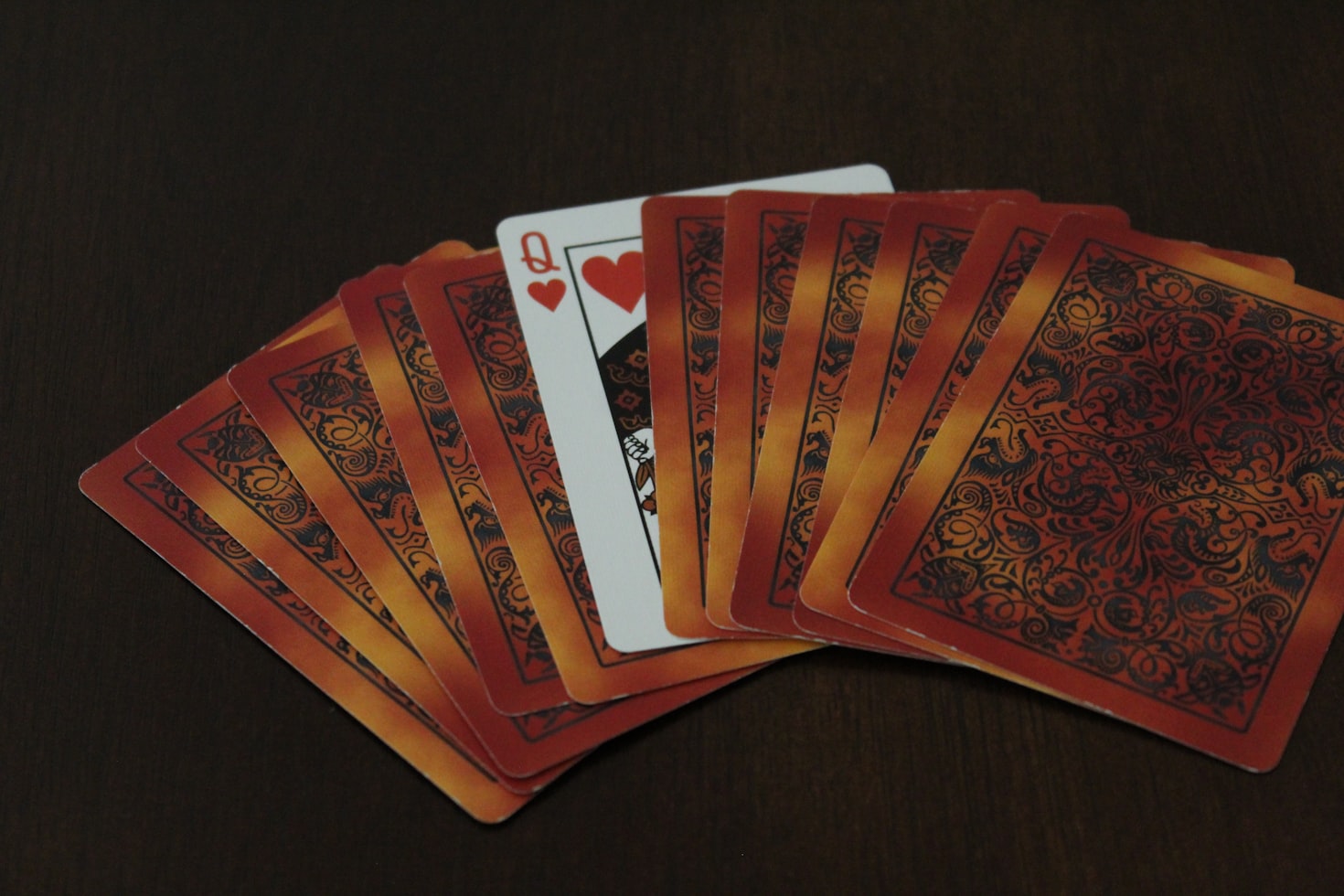
Additionally, casinos leverage loss aversion in their marketing strategies. Promotions that offer bonuses or free play can entice players to return and engage again, often under the façade of “making up for lost time.” By framing their promotions in a way that emphasizes potential future wins rather than previous losses, casinos manipulate the psychological landscape to encourage continued play. Understanding loss aversion is crucial for both players and casino operators as it shapes the nature of gambling behavior and the overall experience in gaming environments. The awareness of this phenomenon can help players approach gambling more thoughtfully and responsibly.
The Impact of Superstitions and Rituals
Superstitions play a fascinating role in the psychology of casino gaming. Many players develop personal rituals or beliefs that they feel influence their success or luck. From wearing certain outfits to avoiding specific numbers, these behaviors serve as psychological comfort. Engaging in these rituals can instill a sense of control and positivity, helping players manage the inherent uncertainties of gambling. This belief in luck is often bolstered by anecdotal evidence, as players recount stories of winning streaks tied to specific actions or items they carry. The psychological comfort derived from these rituals can be a powerful motivator for players, influencing their behavior and choices at the gaming tables.
The reinforcement of these superstitions can be seen in various gaming contexts. In games like roulette, players may have lucky numbers or colors that they are inclined to bet on, despite the random nature of the wheel. This attachment to superstition can lead to cognitive biases, where players attribute wins to their rituals while dismissing losses. Consequently, this behavior fuels the gambling experience, perpetuating a cycle of engagement based on personal beliefs rather than objective outcomes. Players may find themselves caught in a web of their own making, where the need to adhere to superstitions can overshadow rational decision-making.
Casinos are also aware of the influence of superstition and often design their environments to amplify these beliefs. The placement of slot machines, the color schemes, and even the sounds can create an atmosphere rich in associations with luck and fortune. The goal is to inspire confidence in players that their actions can lead to favorable outcomes. In this way, superstition and rituals become interwoven with the gambling experience, further embedding individuals into the psychology of gaming. By fostering an environment that respects and encourages these beliefs, casinos can enhance player satisfaction and loyalty.
The Social Dynamics of Gambling
The social aspect of gambling significantly enhances the psychological experience associated with casino games. Many individuals partake in gaming not only for the thrill of potential wins but also for the camaraderie and shared experiences with friends or family. Social interactions can heighten emotional responses, as players celebrate victories or commiserate over losses together. This shared experience adds layers of complexity to the psychological motivations behind gambling, making it less about solitary play and more about social engagement. The communal atmosphere can turn a mere game into a memorable event, further enticing individuals to return.

This social dynamic is particularly evident in games that require multiple players, such as poker. The competitive nature of these games fosters community and the spirit of competition among players, creating a social environment that many find appealing. The banter and interaction at the table can enhance the entire experience, making it feel less like a solitary endeavor and more like an event. This sense of belonging can be a significant motivator for continued participation in gambling activities, as players seek not just the thrill of winning but also the connection with others. The shared narratives of wins and losses create bonds that often extend beyond the casino.
Additionally, casinos often encourage social engagements through promotions and events that foster community among players. Tournaments, social gatherings, and themed nights can draw individuals in, promoting not only the games themselves but also the bonds formed through shared experiences. This emphasis on social gaming creates an inviting atmosphere that appeals to a broader audience, making casinos more than just places to gamble but hubs of social interaction. Understanding these dynamics can lead to a richer appreciation of why so many individuals are attracted to casino environments, as they fulfill both entertainment and social needs.
Exploring Responsible Gambling and Support Resources
As the allure of casino games continues to draw individuals in, there arises a pressing need for awareness around responsible gambling. The psychological phenomena that enhance the gaming experience can also lead to unhealthy behavior if left unchecked. Understanding the importance of self-awareness and moderation in gambling practices is crucial for maintaining a healthy balance. Responsible gambling initiatives aim to educate players on recognizing the signs of problematic gambling and encourage proactive measures to mitigate potential risks. These initiatives emphasize that while gambling can be a form of entertainment, it should never become a source of stress or financial burden.
Support resources are essential for those who may struggle with gambling-related issues. Many organizations offer counseling, hotlines, and educational materials to help individuals understand their relationship with gambling. Awareness campaigns can aid in destigmatizing the conversation around gambling addiction, fostering an environment where individuals feel comfortable seeking help. The psychological impacts of gambling addiction can be profound, affecting personal relationships, financial stability, and mental health. Access to these resources is vital for promoting healthier gambling habits and ensuring that individuals can enjoy gaming without it negatively impacting their lives.
Furthermore, casinos themselves are increasingly recognizing the need for responsible gambling practices. Many implement measures to promote safer gaming environments, such as self-exclusion programs and responsible gambling signage throughout their establishments. These initiatives are designed to empower players to take control of their gambling activities, ensuring that the thrill of gaming does not overshadow the importance of personal well-being. By fostering a culture of responsibility, both players and casinos contribute to a healthier gaming landscape. Ultimately, understanding the psychology behind casino games can lead to more informed choices and a more enjoyable experience for all involved.