
The Origins of Casinos
The history of casinos can be traced back to ancient civilizations, where organized gambling practices began to take shape. Evidence from ancient China shows that dice games were quite popular around 2300 BC, indicating early forms of wagering and gaming. Ancient Rome also had its share of gambling activities, with various games played during public festivities, highlighting that the human fascination with games of chance is deeply rooted in our culture. These early forms of gambling served not only as entertainment but also as a social activity that brought communities together, often revolving around celebrations and communal gatherings, much like how players enjoy online pokies in modern gaming experiences.
During the Middle Ages, gaming houses began to emerge across Europe, offering a more structured environment for gambling. These establishments combined the thrill of chance with social interaction, attracting nobles and commoners alike. The first official casino is often attributed to the Venice Casino, which opened in 1638 and provided patrons with gaming options alongside music and dance, setting the stage for the modern casino experience. This establishment marked a pivotal moment in the evolution of gambling, as it began to transition from informal gatherings to organized venues where people could indulge in games of chance with a degree of sophistication.
As gambling spread throughout Europe, it started to become associated with a lavish lifestyle. The integration of casinos with theaters and other entertainment venues created a vibrant atmosphere that drew in a diverse clientele. This cultural phenomenon laid the groundwork for the lavish casinos we see today, where gamification meets luxury and social experiences. Through the centuries, the evolution of game design, the introduction of new games, and the development of sophisticated betting systems have continually shaped the casino landscape, reflecting broader societal changes and technological advancements.
The Golden Age of Casinos
The 18th and 19th centuries marked a significant transformation in the casino landscape, especially with the emergence of prominent gaming hubs such as Monte Carlo and Las Vegas. Monte Carlo, established in the 1860s, became synonymous with luxury and high-stakes gambling, attracting the elite from across Europe. Its grand architecture and opulent interiors presented a new standard for casinos as centers of extravagance and entertainment. The Casino de Monte-Carlo, with its ornate designs and glamorous events, epitomized the era’s fascination with wealth and status, establishing a template for future casinos to follow.
Simultaneously, the United States saw the rise of Las Vegas in the early 20th century, evolving from a desert town into the entertainment capital of the world. Las Vegas casinos began to adopt an all-inclusive approach, combining gambling with entertainment options like live performances and luxurious accommodations. The convergence of activities set the tone for a new era of leisure, making casinos a focal point for social gatherings and tourism. Las Vegas not only revolutionized the casino experience but also became a cultural phenomenon, redefining how gambling was perceived in American society.

During this period, casinos also became cultural icons, influencing fashion, music, and art. Movies like “Casino Royale” and “Ocean’s Eleven” romanticized the allure of gambling, further embedding the casino experience into popular culture. The depiction of glamorous lifestyles, high-stakes games, and the thrill of risk-taking resonated with audiences, shaping societal attitudes toward gambling. As a result, casinos became not just places to gamble but also significant cultural landmarks that shaped societal norms and leisure practices throughout the 20th century, influencing everything from fashion trends to the rise of casino-themed events.
The Impact of Regulation and Legislation
The evolution of casinos has been heavily shaped by regulations and legislation that govern gambling practices. In the United States, the introduction of the Gaming Control Act of 1988 aimed to regulate the industry and ensure fair play. This increased oversight helped to establish a framework that protects players while promoting responsible gambling, thus improving the overall perception of casinos in society. The act represented a turning point, allowing states to implement their own regulations and enabling the industry to flourish under a legal and ethical framework.
Globally, countries have approached casino regulation in various ways. For instance, in places like Macau, the emergence of legal gaming has spurred economic growth and positioned the region as a leading gambling destination. The introduction of regulations not only protects consumers but also provides governments with a means to generate revenue through taxation, thus enhancing the legitimacy of the industry. This dual benefit of consumer protection and economic development has led many countries to reconsider their stance on gambling, leading to a wave of legalization across various regions.
Furthermore, the shift towards online gaming has introduced new challenges and opportunities for regulation. As virtual casinos grow increasingly popular, lawmakers are tasked with ensuring that online environments are safe and fair for participants. This shift highlights the dynamic nature of the casino industry and its ability to adapt to societal changes while balancing tradition and innovation. With the rise of mobile gaming and online platforms, regulators are now focusing on creating comprehensive frameworks that address the unique challenges of the digital gambling space, ensuring a safe and enjoyable experience for all players.
The Cultural Significance of Casinos Today
In contemporary society, casinos are more than mere gambling establishments; they serve as complex social networks where diverse groups of people converge. They provide a unique environment for social interaction, where individuals can build connections and share experiences. This social aspect can be seen during major events like poker tournaments and casino-themed parties, which draw participants from various backgrounds, promoting inclusivity and community bonding. The communal experience of gambling fosters relationships and camaraderie among players, transcending cultural and social barriers.
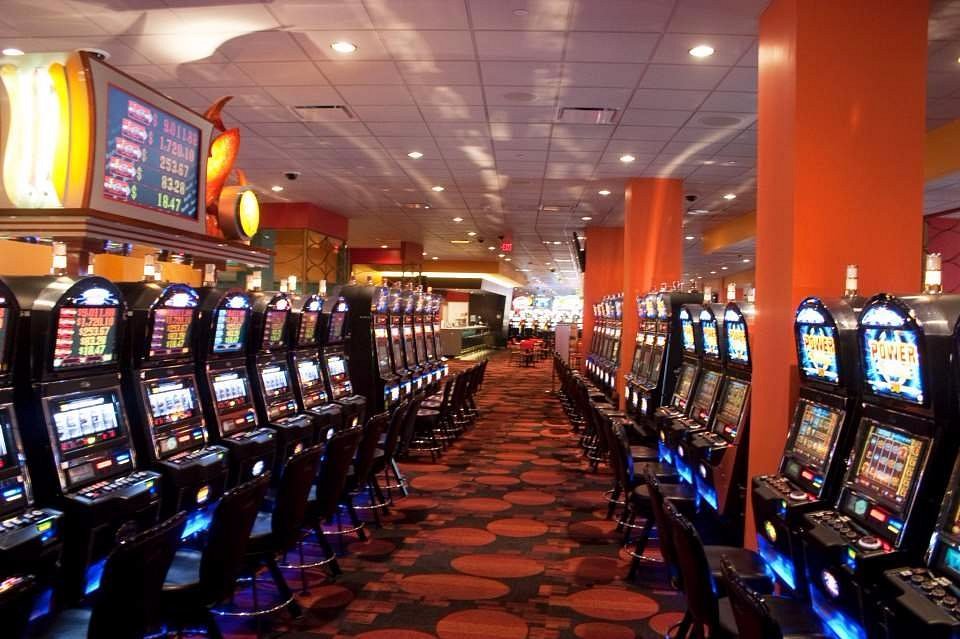
Moreover, casinos have also become integral to the tourism industry, with many cities relying on them as major attractions. The allure of high-stakes games, lavish shows, and fine dining experiences makes casinos appealing destinations for both domestic and international tourists. This impact extends beyond just economic benefits; it shapes the identity of cities, influencing everything from architecture to urban planning. Cities like Las Vegas and Atlantic City have built their entire identity around their casino culture, creating vibrant hubs of entertainment that attract millions of visitors each year.
The representation of casinos in popular culture continues to resonate, as seen in films, music, and literature. Themes of risk, glamour, and the thrill of the game have captured the imagination of audiences worldwide. This cultural portrayal not only reflects societal attitudes towards gambling but also contributes to the ongoing narrative of casinos as symbols of excitement and potential fortune, ensuring their enduring presence in modern life. As casinos continue to evolve, their role in shaping cultural narratives will remain significant, influencing how gambling is perceived and experienced in society.
Conclusion: The Future of Casinos and Cultural Influence
As we look toward the future, the continuing evolution of casinos suggests that they will remain significant cultural entities. The integration of technology, particularly in the realm of online gaming and virtual reality, will shape the next generation of gambling experiences, potentially expanding the reach and accessibility of casino gaming. This shift will likely influence cultural perceptions and acceptance of gambling as a mainstream activity. The emergence of immersive gaming experiences may redefine how players interact with games, creating more engaging and personalized environments.
Furthermore, the growing emphasis on responsible gaming practices will challenge casinos to create environments that prioritize player welfare while maintaining the allure of gambling entertainment. With the landscape of social interaction continually evolving, casinos will need to adapt to new consumer preferences and trends, ensuring they remain relevant in a fast-changing world. This adaptability will be critical as casinos navigate challenges such as economic fluctuations and shifting societal attitudes toward gambling.
Ultimately, the history and cultural impact of casinos underscore their role as more than just places to gamble. They are dynamic cultural institutions that reflect societal values and changes, simultaneously providing entertainment and fostering community connections. As they navigate future challenges and opportunities, casinos will continue to be an integral part of our cultural fabric, shaping experiences for generations to come. The interplay between tradition and innovation will define the future of casinos, ensuring their continued relevance in an ever-evolving cultural landscape.